



By: Andi Croft
Here are six strategies that make attending in-person networking events easier for even the most introverted of people.
1. Set achievable goals
Narrowing down the number of people you aim to meet at an event will lessen your stress and anxiety about attending—and make networking at the event less daunting. So, if you have limited energy for socializing, tell yourself you’re only going to connect with three people during an event, or even just two. Set an achievable goal to relieve yourself of some of the pressure you typically feel at networking events.
2. Prepare icebreakers
Another way to reduce networking anxiety is to plan a few icebreakers, or casual talking points. These don’t have to be about complex issues. Your icebreakers can be about the event itself, or questions about the companies at the event (do your research before the event!). Your goal with these ice breakers is not to sound smart or overly informed but just to get some conversation started without awkwardness.
3. Be an active listener
You don’t need to be a great conversationalist to be a great networker, but you do need to be a great listener. And the key is to be an active listener. What that means is you must be present and listen without constantly thinking about how you’re going to respond. It means listening not only with your ears but also your eyes—“listening” for body language cues. It also means being engaging without talking. You do this by nodding at the right points, making small or minor interjections, and maintaining eye contact. When you actively listen, you’ll find that your conversation partner will be more engaged, and the conversation will flow easily and naturally. And thus, networking won’t feel like work; it’ll feel enjoyable.
4. Smile
The importance of smiling and positive body language can’t be stressed enough. So, if you tend to look closed off or like a wallflower at events, try to become aware of it and work to change it. Communicate openness through your body language and try to smile whenever you meet someone’s eyes instead of looking away. Making yourself appear approachable will mean that people will approach you. As an introvert, you might be hesitant to start conversations, which makes it even more important to appear more approachable when you’re networking. Even just a little smile will do wonders—it will let people know that you’re open to engaging.
5. Aim for quality over quantity
Networking is not a contest where you win if you network with the most people. Quite the opposite. It’s more about the quality of the people you meet than the quantity. The key is to connect with people you believe will impact your professional life. Even if you make one great connection, you'll have had a successful event. Never feel bad if you leave an event without a ton of business cards (digital or paper cards). Of course, that doesn’t mean that you shouldn’t interact with as many people as you’re able to; it just means that your aim should be to make strong connections, as opposed to many weak and superficial connections.
6. Bring a friend
Bringing a friend with you can make events a lot less intimidating. When you’re with a friend, you won’t feel like you must be “on” all the time—and it'll be a lot easier for you to loosen up. A friend can even help introduce you to people in the event to help break down some barriers. Also keep in mind that you can make a “friend” at an event. If you attend an event alone, you could try to find at least one other person to connect with—maybe someone you know, but it doesn’t have to be. That way, you both have someone to bond with and can help each other at the event.
A final note (literally)
After an event, it’s important to follow up. So, the day after the event, send a follow-up note to all the people whose contact information you collected. Sending personalized emails with details of your previous conversations will solidify your professional connections—and make you even more memorable.

What is ‘company culture’ really about?
I’ve been hearing about “company culture” quite a bit these days, and about how important it is, especially within today’s challenging work environment.

How to Approach Political Conversations at Work
Political conversation is fraught with potential conflict. Guidelines and “safe words” are two things experts say can tame political discourse.

Seasoned Pros Navigate Challenge of Younger Bosses
How can people leverage their years of experience without offending their much-younger supervisor?

A BMET’s Quest for Quality from HTM Front Lines
How does a single technician help foster a culture of quality without pointing fingers or making unpleasant waves?

How to Respond to Rejection After a Good Job Interview
You have finished a job interview, feel you’ve done well and are anxiously awaiting an offer. And then you get the call/email/text/letter saying you haven’t been hired.

Should Grads Accept First Job Offer?
The question many students have: Should I take the first job offer that comes along – even if it isn’t exactly what I’m looking for? Here, career experts weigh in with their advice.

Should You Still Apply if You Don’t Meet All the Qualifications?
How important is the list of preferred qualifications most job listings include? If someone is lacking one or two of those qualifications, is it a waste of time to apply?

Personal Improvement Project: Soft-Skill Development
Industry experts agree, soft skills are key!
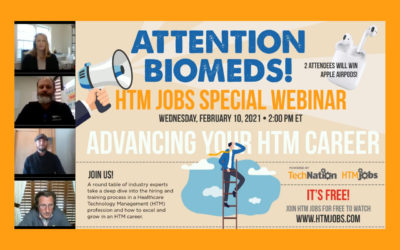
Webinar: Advancing Your HTM Career
Learn about the hiring and training process in a Healthcare Technology Management (HTM) profession and how to excel and grow in an HTM career.

Imposter Syndrome Antidotes
Un-checked feelings of unworthiness and thoughts of doubt can grow into what is commonly known as imposter syndrome.
