



By Ray Marden, CBET, CHTM
Many HTM professionals pride themselves on being ninjas in the hospital. They know how to get into a patient care area, do the job and get out without interfering with the patient care workflow. They do their job and go home, without so much as being noticed in some cases. Many I know extend their invisibility by maintaining only a tiny professional network, perhaps just a few key vendor relationships. I think they are missing out on a critical career resource – namely the support of a strong professional network.
If you are just starting out in the HTM field, you may feel obscure. Perhaps you think that you don’t have much to offer. That’s ok. The more people you interact with in this industry, the easier it will be to find your fit.
So why is professional networking important in the first place?
A good network can help you solve operational problems like parts procurement, troubleshooting assistance, equipment disposition and more. If you’re a hiring manager, it can help you find talent you otherwise wouldn’t discover. A good network can also help bring you opportunities for growth and advancement. But perhaps most importantly, the HTM industry is prone to outsourcing, down-sizing, and restructuring. Should you find yourself impacted by any of these types of decisions, a solid professional network may be just what you need to keep you from falling into despair as you pick yourself up and prepare for your next role.
Here are some tips to help you start stepping into this critical circle of support.
The first place to start is within your own department. The silent ninja days are over! People can’t respect what they don’t know. I cannot overemphasize the value of having a multidisciplinary team of colleagues within a health care facility. Take the time to get to know the nurses, housekeepers, facilities engineers, IT personnel and anyone else you come in contact with. This will pay off immediately and often. Take a minute to understand their role and help them see yours. Having friends on the floors will help you more than you can imagine early in your career, and having relationships throughout the organization will help you as you grow and likely ensure that you grow rapidly.
Secondly, if you haven’t already, create a LinkedIn profile. HTM is a small industry and many industry leaders are active on that platform. If you’re struggling to get started, find a profile of someone you respect and emulate their style. Make sure your profile fits you and sums up what you are about and what you have done. Don’t be afraid to use a picture. People want to see your smiling face!
Spend an hour or two a week building your network. Read the profiles of industry pros and send them an invite. If it feels natural, use a personal message.
Get more mileage out of your network by being a little bold and actually posting content. Don’t just re-post; try to post something helpful or insightful. Original posts and meaningful comments are best. Most people on LinkedIn are lurkers, which is a good way to stay up-to-date with what is going on, but it won’t help you build your network.
Finally, keep adding to your network constantly. Follow industry leaders and outlets such as TechNation, OEMs, state and national HTM associations and colleagues whose content you enjoy.
Once your digital network is alive and growing, consider attending trade shows at the local and national level.
There is tremendous value in the relationships that you can build by attending and participating at these shows. My relationship with MD Publishing started at MD Expo Tampa six years ago! The key is that you have to come out of your shell. Go to the mixers. Talk to people and maybe, just maybe, even dance a little! Networking can be fun! And everyone remembers the folks they meet while eating and dancing way more than the sea of faces passing by the booths collecting swag.
If you aren’t a social butterfly but know something valuable to the industry, you can consider presenting at one of these shows. You’ll get to work with industry leaders and they will appreciate you helping them round out their CEU offerings. There are constant calls for presenters at our industry shows. The process is simple, and the return in terms of network building is huge! This is true at the local and national level.
Once you’ve attended a few shows, you’ll start to recognize the faces. Especially your state and regional meetings. You’ll begin to realize just how small the HTM industry is and that it isn’t hard to stay connected in meaningful ways.
Networking is very anti-ninja. You cannot network and remain invisible. The hardest thing about building a network in HTM is the decision to step out of your comfort zone a little and be known. I look forward to connecting with you soon!

What is ‘company culture’ really about?
I’ve been hearing about “company culture” quite a bit these days, and about how important it is, especially within today’s challenging work environment.

How to Approach Political Conversations at Work
Political conversation is fraught with potential conflict. Guidelines and “safe words” are two things experts say can tame political discourse.

Seasoned Pros Navigate Challenge of Younger Bosses
How can people leverage their years of experience without offending their much-younger supervisor?

A BMET’s Quest for Quality from HTM Front Lines
How does a single technician help foster a culture of quality without pointing fingers or making unpleasant waves?

How to Respond to Rejection After a Good Job Interview
You have finished a job interview, feel you’ve done well and are anxiously awaiting an offer. And then you get the call/email/text/letter saying you haven’t been hired.

Should Grads Accept First Job Offer?
The question many students have: Should I take the first job offer that comes along – even if it isn’t exactly what I’m looking for? Here, career experts weigh in with their advice.

Should You Still Apply if You Don’t Meet All the Qualifications?
How important is the list of preferred qualifications most job listings include? If someone is lacking one or two of those qualifications, is it a waste of time to apply?

Personal Improvement Project: Soft-Skill Development
Industry experts agree, soft skills are key!
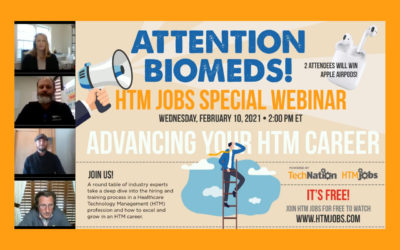
Webinar: Advancing Your HTM Career
Learn about the hiring and training process in a Healthcare Technology Management (HTM) profession and how to excel and grow in an HTM career.

Imposter Syndrome Antidotes
Un-checked feelings of unworthiness and thoughts of doubt can grow into what is commonly known as imposter syndrome.
