


Paul Neher
I was asked some time ago if I would be interested in writing a blog post, but I have procrastinated, not sure of what I had to say. I decided to focus on the one thing that has haunted my mind since assuming my latest leadership role: What’s next? Like the rest of the American workforce, Biomed is facing the imminent retirement of the baby-boom generation. Estimates from the 24x7 magazine, the US Department of Labor, and other sources point to approximately 35% of the US workforce is going to be retiring within the next 5-8 years. Biomedical Engineering, Healthcare Technology Management (HTM), Clinical Engineering … whatever we call ourselves (and there is NO consistency - sorry AAMI), we are such a little-known field outside of ourselves with a limited replenishment labor pool that when the retirement exodus does happen, we are likely to be fighting for the same employees. So, what’s next? Many well-researched articles by more learned members of our field have been written on this subject, so I thought I would simply address avenues I have been exploring to replenish our ranks.
New Biomeds
When I started in Biomed back in 1998, there weren’t enough graduating degreed Biomeds or military-trained technicians to go around, so many facilities began growing their own. I got into Biomed with an AAS in Electronics and 18 years of small engines, appliances, exercise equipment, and industrial machining. My career in biomed took off with some medical terminology, anatomy and physiology, and basic EKG, combined with being given a great opportunity by a boss who saw potential in me. I learned all I could, got my CBET, and went to every school no one wanted to attend. Effort and desire drove me to where I am today. Biomed can be taught, but a servant’s heart and motivation cannot. When evaluating future employment candidates, we need to be open to those candidates that have a basis in electronics and show an aptitude for troubleshooting. We need to provide opportunities to applicants who have a heart for service and the willingness to transition from earning a paycheck to a career Biomed focusing on customer service.
Planting Seeds
In the last ten years, we have watched a decline in schools producing Biomeds. Reaching out to local colleges, I have described what we do for nursing programs, IS programs, and engineering programs to get involved with career development and job fairs. We will be unable to get applicants if colleges and their departments don’t promote alternatives to their core programs. Additionally, I have reached out to our local high schools, career academies, and tech academies. It’s a gift to plant the seed of opportunity before they choose a career or school path. Exposing these bright young minds to something other than the traditional paths, describing the field, education requirements, and growth potential may be the spark that creates the next generation of Biomeds. Encourage your facility to welcome job shadowing. It takes time and effort, but it is an investment in the future.
Succession Planning
Succession planning is mandatory. As my boss is fond of saying, “If you don’t make a plan, someone will make it for you.” The military taught me that the first responsibility of taking on a leadership position is to evaluate and train your replacement. With so many leaders retiring, now is the time to plan for succession rather than leaving it to chance. If you are in a position of leadership, determine if there is someone currently on your team with desire and temperament for leadership and begin to cultivate that. Give them challenges and opportunities for growth and mentor them for the future.
Value Your Employees
And finally, work with your HR department to pay your people what they are worth. In most systems, there is more money to hire than there is to retain, and all too often our field is viewed as mere technicians. When wage analysis assessments are performed, we are often compared against other Biomedical Engineering departments and not against our real competition. In our corner of the world, other Biomed shops are not our competitors, but rather 3rd party vendors, manufacturers, and our own internal IT/IS department. That is where Biomeds go for better wages. These outside sources are going through the same staffing shortages that we are and if we cannot compete against them, we will be on the losing end. We are surrounded by good and loyal teams who helped us through Covid. We should, in turn, reward them with the wages they deserve.
There is an opportunity for all of us to face this future with excitement, or we can shrink from the challenge in fear. So, what’s next? What will you do to secure your department, your legacy, your future?

What is ‘company culture’ really about?
I’ve been hearing about “company culture” quite a bit these days, and about how important it is, especially within today’s challenging work environment.

How to Approach Political Conversations at Work
Political conversation is fraught with potential conflict. Guidelines and “safe words” are two things experts say can tame political discourse.

Seasoned Pros Navigate Challenge of Younger Bosses
How can people leverage their years of experience without offending their much-younger supervisor?

A BMET’s Quest for Quality from HTM Front Lines
How does a single technician help foster a culture of quality without pointing fingers or making unpleasant waves?

How to Respond to Rejection After a Good Job Interview
You have finished a job interview, feel you’ve done well and are anxiously awaiting an offer. And then you get the call/email/text/letter saying you haven’t been hired.

Should Grads Accept First Job Offer?
The question many students have: Should I take the first job offer that comes along – even if it isn’t exactly what I’m looking for? Here, career experts weigh in with their advice.

Should You Still Apply if You Don’t Meet All the Qualifications?
How important is the list of preferred qualifications most job listings include? If someone is lacking one or two of those qualifications, is it a waste of time to apply?

Personal Improvement Project: Soft-Skill Development
Industry experts agree, soft skills are key!
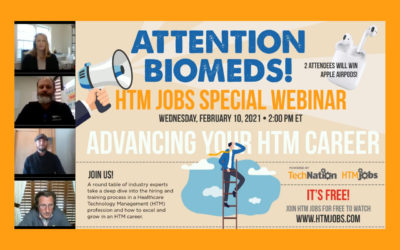
Webinar: Advancing Your HTM Career
Learn about the hiring and training process in a Healthcare Technology Management (HTM) profession and how to excel and grow in an HTM career.

Imposter Syndrome Antidotes
Un-checked feelings of unworthiness and thoughts of doubt can grow into what is commonly known as imposter syndrome.
