



 By Kathleen Furore
I recently spoke with someone who turned down one job offer with a company he greatly respects in favor of another job that will help him expand his skill set and ultimately enhance his resume. Now he’s wondering if he has any chance of being hired by the first company at some point in the future if there is a new opening for which he qualifies.
The answer is yes, according to Tiffani Murray, owner of Personality On a Page resume and career consulting services and director of people services/HR for a national furniture retailer.
“I can speak as a former hiring manager, a career consultant and a former applicant on this topic,” Murray says. “Personally, I have declined an offer, only to be called back three months later about the opportunity. They had upgraded the position and it was more aligned with my career goals.”
Her advice is to never assume saying “no” permanently closes doors.
“Turning down a job offer is never something anyone takes lightly, and organizations know that. If you have valid reasons and express those at the time you turn the offer down, a well-functioning HR department and hiring manager won’t use that against you,” she explains.
There are many reasons to turn down a job for an opportunity that seemed a better fit. And whether it had to do with growth potential, salary structure, level within the organization or location, Murray says she always tells her resume clients to keep in touch with the recruiting team and/or hiring manager.
“If a few years later, you see a role that is aligned with where you are at the time, reach out,” she says. “I don’t think there is a crystal ball for this scenario; but keep in mind that while you were at another job, things changed in that company also. There may have been growth, changes in leadership, compensation evaluations, restructures, etc., that just make it a better alignment for both you and the employer. Never be afraid to throw your hat back in the ring!”
Kathleen Furore is a Chicago-based writer and editor who has covered personal finance and other business-related topics for a variety of trade and consumer publications. You can email her your career questions at kfurore@yahoo.com.

What is ‘company culture’ really about?
I’ve been hearing about “company culture” quite a bit these days, and about how important it is, especially within today’s challenging work environment.

How to Approach Political Conversations at Work
Political conversation is fraught with potential conflict. Guidelines and “safe words” are two things experts say can tame political discourse.

Seasoned Pros Navigate Challenge of Younger Bosses
How can people leverage their years of experience without offending their much-younger supervisor?

A BMET’s Quest for Quality from HTM Front Lines
How does a single technician help foster a culture of quality without pointing fingers or making unpleasant waves?

How to Respond to Rejection After a Good Job Interview
You have finished a job interview, feel you’ve done well and are anxiously awaiting an offer. And then you get the call/email/text/letter saying you haven’t been hired.

Should Grads Accept First Job Offer?
The question many students have: Should I take the first job offer that comes along – even if it isn’t exactly what I’m looking for? Here, career experts weigh in with their advice.

Should You Still Apply if You Don’t Meet All the Qualifications?
How important is the list of preferred qualifications most job listings include? If someone is lacking one or two of those qualifications, is it a waste of time to apply?

Personal Improvement Project: Soft-Skill Development
Industry experts agree, soft skills are key!
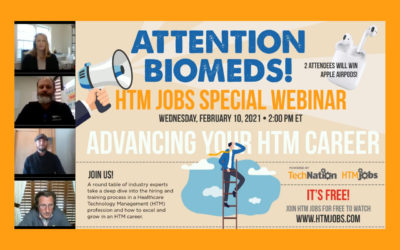
Webinar: Advancing Your HTM Career
Learn about the hiring and training process in a Healthcare Technology Management (HTM) profession and how to excel and grow in an HTM career.

Imposter Syndrome Antidotes
Un-checked feelings of unworthiness and thoughts of doubt can grow into what is commonly known as imposter syndrome.
